148 - Growing a Local and Virtual Business Community with Death Doula, Nicole Hoover


In episode 148 of the MaYapinion® podcast, Maya Roffler sits down with Nicole Hoover, founder of Death Doula Nicole, to tackle one of the most overlooked (and often avoided) areas of life and business: how to build a meaningful, service-based business around end-of-life support while navigating visibility in a conversation most people aren’t ready to have.
Nicole shares her deeply personal journey from a 20-year career in HR to becoming a death doula after losing both her aunt and her mother within a short period of time. Through caregiving, grief, and ultimately stepping away from corporate life, Nicole found herself called to work that aligns with her heart, supporting individuals and families through one of life’s most sacred transitions.
This episode is a true MaYapinion® conversation. Maya doesn’t just listen; she gives her honest, strategic take on why Nicole’s work is so powerful, yet difficult to market in a society that avoids conversations around death, and what it actually takes to connect with the right people at the right time.
Together, they walk through how to build trust in sensitive spaces, the importance of community-based visibility, and how Nicole can shift from last-minute client inquiries to earlier, more impactful relationships with families. Maya also shares specific strategies for lead generation, local networking, and building virtual support communities that allow Nicole to expand her reach while staying aligned with her mission.
This episode is especially powerful for heart-centered entrepreneurs, service-based providers, and anyone building a business around deeply personal, emotional, or transformative life experiences. Building a business like this isn’t about louder marketing. It’s about deeper connection, trust, and showing up in the rooms where people need you most.
What You’ll Hear in This Episode
-
Nicole’s transition from a 20-year HR career to becoming a death doula
-
How losing both her aunt and mother led to her calling in end-of-life care
-
What a death doula is and how it compares to a birth doula
-
The emotional, logistical, and bedside support a death doula provides
-
Why end-of-life care is often avoided in the U.S. and how that impacts families
-
The challenge of being brought in too late and missing the opportunity for deeper support
-
The power of legacy work and helping families preserve stories and memories
-
Why community and early connection are essential for this type of service
-
Maya’s MaYapinion® on building trust in sensitive, emotional industries
-
How to use Facebook groups and support communities to connect with the right audience
-
Why local networking with medical professionals can create strong referral pipelines
-
The opportunity to build virtual offerings and support groups for wider reach
-
How to position services in a way that feels supportive, not intrusive
-
Why visibility for heart-centered businesses requires connection, not promotion
This episode is sponsored by Death Doula Nicole
Connect with Nicole Hoover:
Website: www.deathdoulanicole.com
Instagram: https://www.instagram.com/death_doula_nicole
Facebook: https://www.facebook.com/deathdoulanicole
Connect with MaYapinion®
Podcast Website: mayapinionpodcast.com
Website: https://mayapinion.com/
TikTok: https://www.tiktok.com/@mayaroffler
Instagram: https://www.instagram.com/mayaroffler
Instagram: https://www.instagram.com/mayapinionpodcast
Email: mayapinionpodcast@gmail.com
148 - Growing a Local and Virtual Business Community with Death Doula, Nicole Hoover
===
[00:00:00] Welcome back to the MaYapinion Podcast, where I have real entrepreneurs on and I share my opinions about their business challenges. Today I have Nicole Hoover with me, who is Death Doula? Nicole. Nicole, welcome to the show. Thank you so much for having me. I'm super excited to be here today. I'm super excited to have you here, as well as a lot of people who listen to this show, the MaYapinion Podcast, and also my other show about.
What a difference I have in shows here. This is a special thing for me, grief, death. And we were really excited to book you on the show because I love what you're doing, and I don't think enough people really understand what a death is in general. So excited to talk about your story, talk about your business, and also of course.
Get into your challenges so I can give my opinion. So, Nicole, tell us about your business and tell us what you do, and also tell us how you [00:01:00] started and what inspired you to become a death doula. Sure. I am non-medical. I do not have a medical background. My background, ironically, is hr, human resources, and thank goodness this is over a podcast.
'cause usually I get the evil eye of being an hr, but. HR has equipped me with a lot of skills, the soft skills that are needed in what I do. So again, career HR 20 years. But unfortunately in May of 2023, my mom was diagnosed with stage four ovarian cancer and it came as a shock, to say the least.
And subsequent to that. About two months later, my paternal aunt, who was my best friend, my confidant, my everything, she took a significant health decline. So from May until [00:02:00] shortly after Thanksgiving 2023, I was picking my mom up. Taking her to chemo, getting her settled into the chemo chair, picking my aunt up, taking her to dialysis on the opposite side of town, going back, getting my mom, just all of the things.
And that Thanksgiving, I lost my aunt and my mom. Fought the good fight, for another year or so. I lost her in January of last year. And during all of the chaos of being caregiver, I'm also a mom. I was full-time HR traveling for my job, and so I was doing a lot of logistical things of okay. Husband, I need you to be here, son.
Number one, that drives. I need you to go here, son. Number two, I need you to help out with kid number three. So as a mom, all of the things, [00:03:00] and after I lost my mom, I realized that my cup was not being. Filled anymore. I loved hr. I love the people side of the house. I'm a heart centric person, and I just, I couldn't do it anymore.
And so I left corporate America not knowing what I was going to be when I grow up. And about two months later, I came across an article about a death doula and reading through just the bedside vigil. Logistical support, a cheerleader, so to speak. I sat back and thought this has been my entire existence for two years, and it was that aha moment and I am really good at stalking.
And so I reached out to the person that the article was written about, her name's Death Doula Casey, and I said, I wanna do [00:04:00] this. Where do I go? Sign me up. And ironically enough, she lives 45 minutes from me and was starting a spring cohort in April, and so signed up for class and graduated last July.
And Maya, I have not looked back ever since. I've had a couple sad stories of clients that I've lost and I have people tell me, huh? How do you do this? And every time I leave a client, my heart feels more fulfilled. I sometimes think about the Grinch that stole Christmas where his heart starts to grow again.
And these families don't realize. I know they think I'm doing so much for them, but actually they are helping me with my grief. I like. Thank you. What a great recap. I just wanna double click on a couple things. One, I totally feel when I'm talking to [00:05:00] you, Nicole. This is so aligned for you. Just like I think this is a real message just jumping into this episode and anyone who's feeling kind of out of alignment with their corporate job, because for so many years I interviewed a lot of women on this show who ditch the nine to five.
We do a whole like exercise on that. You know, leave corporate, which is my story, and we've connected on that already, Nicole, and a lot of you listening will connect on that. But when things line up. You losing your mother and your aunt, like, what a difficult experience. You didn't lose one person.
You lost two people that meant so much to you and in a very short period of time, and you still gotta work. Be a mom, be a partner, be like, it's a lot. I love how you described it as like, you know, you could be like a logistics manager at a mega company or something like that. It's true though. It's true.
Hundred percent. A hundred percent. But listening to you and then how you found this, you know, you read this article, you found the woman and. This death doula and she [00:06:00] was near you. Like when the world speaks to you, whether you believe in universe, God, if you're spiritual, if you're whatever, if you believe in trees, I don't care what it is that you believe in, but it aligns when it's the right path for you.
And that's why, and I love you talking about the Grinch and the heart feeling because it's something very personal and intimate that you're doing. And but at the same point. You feel called to do this? I can tell by talking to you and I think when on my other show where we talk about just grief and we share those sibling stories and that's what we focus on there.
It's hard sometimes for people, especially when they're newly bereaved, to understand that like the everything happens for a reason thing is not really the vibe that we're going for with grief, but. In our losses, in our experience, and in our journey, things open up for us to help us along that journey.
And after we lose someone significant in our life, which you lost two significant people in a [00:07:00] very short amount of time. You, it changes you. You can't go back to who you were before and this HR experience was not resonating with you anymore. And I get that because that's what happened to me. When my brother died, I was like, I went full in.
It took me a little while, but I went full in and now here I am. And it was hard. But I couldn't be happier. So, Nicole, tell us, so this, again, I feel like this could be a very, inspiring episode for a lot of people who are thinking like, something's happened to me and I've gotta change and you have changed.
That's why you are looking for a change. Tell us what a death doula is, because I think a lot of people don't know what it is. And to be honest with you, I didn't know what it was until my brother died and I started working in the grief space as my passion project. It's funny because, 20 something years ago, I was sitting in a lamaze class at our local hospital and there was, a woman sitting next to me that was from New York, and she was going on and on about her birth plan [00:08:00] and her birth doula, and.
I sort of, kind of gave her the side eye of, I have no idea what you're talking about. I don't know what a birth doula is. I just know my water's gonna break and out. I'm gonna have this kid. So fast forward 25 ish years later, I think everybody knows what a birth doula is for the most part. And so I realized that this is something very new, very controversial.
We're a very, death conversation. Adverse country. Many other companies embrace death, embrace the elders, and so it's taken some time to make its way into the Midwest. You know, California, New York, they're very familiar with what a death doula is. So. I typically like to walk through a side-by-side comparison of birth doula, death doula.
So birth doula comes in, you guys sit down, work through your plan, what you want it to look like, what you want [00:09:00] it to smell, like who you want in the room. Death doula, very much the same concept. What does a good death look like? Are there essential oils that we need to be? Mindful of bringing into the room.
Do you wanna keep certain people at arm's length because this is such a important transition? We don't want conflict. A birth doula provides that physical comfort sometimes, whether it's putting you on a birthing ball or rubbing your back death. Doulas, we can provide that same level of comfort care, massaging, feet brushing hair.
You, you wouldn't think about something so simple that provides comfort, but it's that still feeling like a human being, even in this very sensitive transition process. And finally a birth doula is there to say, come on, you've got this one more push. So while I'm very high [00:10:00] energy, I'm not going to be a rah rah cheerleader, but I am going to be at your side saying It's okay.
We have you, you're loved and supported. It's okay. So in a nutshell, that's really how we compare to birth doulas. I think that's super helpful. I think that's helpful for even myself, who is obviously well acquainted with the grief and loss space. But I've never had anybody describe it that way, like a comparison.
Because you are right. Most like people are like, oh yeah. Yeah, I get it. Like we're having our birthing plan and like how things are gonna go and what I want it to feel like and look like, but on the other show I had a guest on recently and they were talking to me about, her name is Erla.
I'll have to send you this episode. Anyone else that's interested, feel free to check it out. But she was telling me that it's a privilege to witness someone's birth and be a part of their birth, and it's a [00:11:00] privilege. To be a part of someone's death. And there was an anticipatory loss episode, so obviously right.
It's not always applicable for sudden loss, but I loved that, that really resonated with me. So I wanted to share that with you, Nicole, because I'm sure that's exactly how you feel about what you do. It's a privilege to be a part of it. Yes, yes. To be in that sacred space. Uh, I know that sounds very religious, but it is.
It's a sacred space, whether you're atheist, Muslim, Catholic, Presbyterian, that time is precious and sacred. And to have families welcome you in to share that experience is just, something that I really honestly can't describe in words. It's so intimate. My dear friend said A privilege, right?
And I had never really thought that deeply of it because my own brother's death was just so sudden. But I think back on all the people that got [00:12:00] to come and see him, even though he was on life support before he, was taken away. 'cause he was an organ donor, of course. But it was a privilege for them to be a part of that, and I loved the way that she phrased that.
Nicole, I love what you're doing. I think this is so aligned with your life. Tell us, so what challenges are you running into? So first and foremost is, typically families don't find me until the end, until the 11th and a half hour where. I'm really not able to do as much as I want to do. I'll save that for a moment.
But second, again, in the US we are so just, we're not gonna talk about death. Nope. It's not gonna happen to me. I haven't seen the Fountain of Youth yet. I haven't seen anybody living forever yet. Countries, you know, across the pond, they're very much more open and communicative about death.[00:13:00]
And so when we don't talk about it, and when that family member. Receives a terminal diagnosis, and, sometimes they're in denial. There's a lot of scrambling at the end. And so again, I come in at the 11th and a half hour where I would prefer as, someone receives that terminal diagnosis, bring me in.
Let's build that trust, that relationship to where. Welcome into your home, or welcome into your home virtually. Let's talk about your fears. And let's also focus on some positive things. I love legacy work. It makes, and a lot of things make my heart complete, but. There is a phrase and it says, you know, a loved one typically dies twice.
First in the physical sense, and second, when your family no longer speaks your name. [00:14:00] And so I wanna sit down with families and hear stories. Talk to me about Nona's Meatball recipe. Give me your origin story. Uh, or if, you have a tribe of children, tell me about what it was like raising six kids.
Who was the favorite child? I won't put it down on paper, but who was the favorite child? Two gave you the gray hairs, just things that, I can document and give to the family as that gift that can last forever. I love that. I, yeah, so if you guys aren't familiar with what legacy work is, Nicole and I were chatting before we hit record, and I'm a huge fan of this as well.
It's, I mean, it's why I have my other show. I felt so compelled to create, my brother's legacy because you're so right. It felt like walking away from him when he died, like his physical body. That was a moment, but it also felt for me. [00:15:00] Like as time was going on and people weren't talking about him as much, I was like, I wanna talk about him.
And so I have this ongoing legacy that I keep doing. But Legacy essentially is like you said, it's writing these things down so people have the memory and they can go to it and creating these, . I'm sure you do this too. Some people wanna record it. They wanna record the story.
Some people wanna write it physically down. Some people wanna create art or work, whatever that is. I'm sure that's all in your wheelhouse too, Nicole. And it's a really beautiful thing and it's really helpful in your grief experience. But, okay, so let's go into these challenges because I think these are really solvable challenges that you have.
And we definitely wanna go back to the fact that Nicole is, has left her HR. Behind and taking the good things from hr. Right. Like, 'cause there are good things. I know she's not Toby from the office guys. It's okay. But yeah, and she's Holly from the office instead of such are office fans.
But there are really good things from hr. I could understand why [00:16:00] this would be a trajectory because people that typically work in HR. The good ones are heart centered leaders, right? So this makes sense for you. This totally makes sense for you. I'm very aligned with what you're doing.
But let's talk about the challenge and tapping in one, the challenge of you not connecting at an early stage. I think that's really about community. I think that's really about you getting involved in a different type of community because a lot of your clients are coming through referral. So for example, I think we all know what a referral is, but like if I've, you know, my grandma passed and you were there and you were amazing.
And then my friend is like, oh my gosh, my, my grandmother, she's just not really doing well. I'm like, oh my God, you need to use death Doula Nicole. She's amazing. So like that's how that's happening. But I can see why. Organically that's happening too late because by the time, because we don't like to talk about death, especially in the United States, but there are other places too, but definitely here.
So by the time we're starting to talk about it and communicate, it's a little bit, [00:17:00] it's never too late, I'm sure to engage you, but it's not the most effective way to engage you. Right, Nicole? It needs to be. Right. So I think for you, I think you really need to get involved in communities that are. Talking about terminal illnesses, right?
And where people are. Because I see this a lot, especially on Facebook. Everyone who listens to my show knows I'm a huge like Facebook fan. I have a love hate with Facebook, but the thing I love about Facebook. Is there's a lot of dense communities and people go in there and they talk about when they're getting diagnosed with something or when they're going through a challenge, and there's a safety in community.
And what I would love to see happen for you, Nicole, is to get involved with some of these communities where people are. Getting diagnosed so that you can start making those connections early and or families that are like, Hey, oh my gosh, I just found out like my husband just got diagnosed with, you know, stage whatever, brain cancer, [00:18:00] or, I think that would be huge for you because tapping into those individuals and starting to be that connection and con for them right away is.
Play into what you need to do to support the family on a more holistic right level than just like, oh my gosh, we've got one week laughter. You know? Right. Give or take, because that's why you're feeling like you've gotta probably cram all of this in that you could offer over. As we know with a terminal illness or a cancer, sometimes it's fast, sometimes it's a few months, sometimes a few days, sometimes it's years.
So that would give you kind of a different group I think, of people that you could connect with. I also think, connecting with some medical professionals too, because some are not open to it and some are open to it and the ones that are open to it and you creating kind of that connectivity where you're their go-to.
When somebody's diagnosed, [00:19:00] say, you know, someone's diagnosed with stage four breast cancer, and it's a shock. It's so much, it's so intense, and you've got this connection. Maybe with the physician, maybe with the oncologist. I think those connections would be great too. I think that that tends to take a little bit longer to build those relationships, just from my professional experience in looking at this.
But I think locally that is something you could do and even. Yeah, I would start locally and, and go from there. But as far as getting involved in communities, I would tap into those face Facebook groups immediately. And that's something I talk about often on the show. But for you, strategically, I would be looking at like support communities.
I don't, I, you could be tapping into the communities where people are like, they have cancer for sure, but it's really about the support system and the support communities. And I would get involved and. A lot of people will push back on me when I say that and they'll say, well, we can't be in those groups.
And I'm like, well, first of all, yes you [00:20:00] can. You just can't. Where a lot of people make a mistake, and I'm not saying you do this, Nicole, but a lot of people come to me and when I'm coaching them and helping them, they'll say, well, I'm posting my links in those groups and it's not working. I'm like, first of all.
Whether you are doing something that is really cut and dry, like social media marketing or you're doing like all the way on the spectrum to something like you're doing something so personal, so intimate. But what's interesting is it doesn't matter which side of the spectrum you're on.
It doesn't work. We're in an age where there's people that are offering everything. You have to build trust and relationships and how you do that in those really large kind of Facebook communities, Reddit communities, wherever you wanna go and live and have be your thing. But I always tell people, start out with one thing.
If you wanna focus on Facebook, great. If you wanna focus on a LinkedIn community, great. But how you do that is simply by commenting and connecting. And when you know, let's say I'm in there and I'm like, Hey, I just found out my mom. [00:21:00] Is diagnosed with breast cancer, it's not looking really good. In comes death due, Lynn, Nicole.
Hey Maya. I understand and like you're connecting on a deeper level. What's difficult when you're a new business owner? And when I say new, I think the first five years you're new. That's just my opinion though. But I'm first five years, you're new. What's difficult is there's so much legwork that goes into it.
But once you do that, once you build that foundation. It's happened for me. In my business, I don't network half as much a fraction. I've network a fraction as much as I used to. I don't have to be out there as much. It becomes very referral. People start to know a name. People start to know who you are, and that's.
Amazing. But in those communities, you have to build trust. You can't just throw your link down. It's interesting, even in our Facebook group that , we just started this year, it's grown so fast already, but people will just throw their link up and I decline it because I'm like, who are you? Why are you doing this?
Why are you passionate about that? And Nicole, [00:22:00] that is your secret sauce just in talking to you because you just sharing a little bit about how you can help them and your story. You're gonna connect, you're gonna connect, and that will become how you can build that as well. That's where, that's a immediate thing I see for you.
Another thing we chatted about, guys, right before we jumped on this episode. Nicole is in Ohio. So Nicole's done a lot of local work and I think that's wonderful. And if you wanna hire Nicole to come in person, I think it's great. But I think there's a huge opportunity for you, in my opinion, to Nicole to do virtual because there are some people that would want your services and would want that connectivity and that kind of intimate, because maybe not everybody in the family is on board with the death doula.
Have you experienced that? Because I can see that happening. I have, yeah. I had a client that was, a little bit of a driving distance from where I live and I received [00:23:00] a call, I was heading out there on my first visit and, there was a party involved that did not know that I was hired, and so luckily, again, that HR background of just listening, I was on the phone driving and not trying to force myself.
I let this person set the rules. Okay. I understand your boundaries, and we will stay within those boundaries. And it took a little bit of time, it took a few visits, but eventually we did establish that rapport and that trust and that emotional connection to the situation. But absolutely there's been times that.
Surprise. I'm your death doula. Wow. That must, yeah. That's intense. I, wow. Yeah, but I mean, I can just see that because sometimes it's not so much about, it might be for people not understanding what you do. Right. Which is why it's so important to educate, [00:24:00] but also I think death. Much like birth, but death in an interesting way.
People their personalities change as you know, better than me, and they get really protected. And so I could see that happening and that's why, for you, I think. Virtual offerings would be so incredible for you. And I think another thing I would recommend for you too is education.
Have you done anything like an educational course or an educational offering where people can learn about what a death doula is? Because I could see that. Translating very well. Based on how you articulate this in your story, have you thought about doing something like that, like an educational offering?
So I do have, I'm on social media, which I know that we'll talk about here shortly. But, um, I do have a YouTube channel, and I've posted a few shorts on there to explain what exactly a death doula is. There's definitely misconception that, death doulas come in and kill people. [00:25:00] We are not Dr.
Ian. I don't perform medical aid and dying. And so it's just kind of educating on that stigma that's out there. Yeah, I agree. I think, for you, I think you articulate this so well. I would lean into that for sure. I also think that I would lean into creating some kind of closed community.
So whether that is you're creating a Facebook group, i'm a big fan of creating Facebook groups and it's educating people on what this is and also creating an environment where, you know, if my mom's dying and my friend's so-and-so's father is dying and like you're creating community because when you're creating that, that's also can lead to them.
Okay, so then we're gonna do, like, you could even do a support group. Where people are supporting each other, and you are leading this because you're certified as a death doula. I see so many opportunities for you, Nicole, but I also see that as a [00:26:00] lead gen for you, and I know that's kind of what we're focusing on as the challenge, but I see that as a lead gen for you as well and mostly in your virtual capacity.
For your local capacity, I would tap into more of the local groups, right? Local things that are happening, local, people who like oncologists, people who have those authorities, and really sitting with them, networking them. See if you can get a coffee with them or take them to lunch and really sit down and explain what you do and see if it aligns.
That's where I see you pounding the pavement a little bit more and having those strategic meetings. Locally, but then from a virtual aspect, I want you to create a community and I want you to create something where people can connect with each other and that pushes them into either one-on-one with you virtually, or you can even sometimes something that is more budget conscious for people.
That is group, right? So maybe you're hosting something that is group, and maybe they're going through you. You meet every other week, and people that are a part of that, there's a monthly fee to be a part of it, and they're going through that as a community [00:27:00] together. And then also take some pressure off of you because you're virtually connecting with them.
And then they upgrade if they wanna do one-on-one with you, and they just want that one-on-one. That's great. What I've noticed, just doing a little bit of grief stuff in my own space too, is people get so much out of community when they know they're not the only person, right? They know they're not the only person working through this, and so I would love to see you create.
Death to politics community. Something I will tell you though is a mistake that a lot of people make when they're starting to create like a Facebook group and then leading that into more of a paid community paid group is they will name the Facebook group like. Nicole, right? And so then people will think it's for death, doulas and things like that.
So something I would challenge you to do is make sure you're naming that group something that would something more generic. Because once you're in the group, you can see everything. They can see that you're leading it. They can see your services, they can see what you're offering. But something that would attract [00:28:00] me.
If I had a mother that just got diagnosed with cancer or terminal illness or if I had a son, you know, whatever that is, right? If I was looking this up on Facebook, I would find that, or if you're doing the community somewhere else, it would look. Up. And it would come up. So that's kind of the two ways I could see you branching into a stronger lead gen, honing into your local community, having those sit down meetings, having those connections and becoming a referral based in the community.
I would even ask if you could do a free speaking engagement to get in front of some of those folks, see if there's local support groups, local things like that. That's where I see the in-person happening for you. And then for virtual, I see you building a community that leads into their meeting consistently and it's paid, and then also you have one-on-one for those folks that.
Have the ability to financially invest and or just really want that one-on-one touch. That's where I see, that happening for you. And then you also mentioned your social media too. Where are you kind [00:29:00] of living right now for social media? Very heavy on Facebook. Okay. Um, post a lot. Um, I share a lot.
Little bit active on Instagram. Very active on LinkedIn, which I think sometimes seems weird, but. Putting my corporate HR hat on. Someone's dad gets a terminal diagnosis and they've been at the company long enough that they get FMLA. Great. But when you're on FMLA. As I mentioned earlier, you are probably a parent, you're a spouse, you're a friend, you're all of the things.
And so I go on there to maybe find that audience that's out on FMLA that needs extra support. Needs that extra set of hands where I could come in, Hey, go grab a cup of coffee. Go take a shower. Don't go on your laptop and work because you're on FMLA, [00:30:00] but take a step back and breathe. And so that's sort of the focus on LinkedIn for me at this point, is reaching out to those professionals that.
Are struggling, they're out on leave and need some ti needs some help. I love that. So I'm not a huge fan of LinkedIn for certain, entrepreneurs. I think sometimes we're trying to spread ourselves on four platforms. The big four usually is Facebook, LinkedIn, Instagram, TikTok, and there's other ones too.
But those are the big four. And I'm not like a social media expert. I work with social media experts all the time and marketing agencies we do all the time. And they will always tell you, go hard on two, go hard on two. And then once you start to get traction, you can branch out into others.
So for you, Nicole, you are already in the right direction. I would go hard on Facebook and LinkedIn because of your HR background. I think you're on the right track there. And I think you have a name for yourself in your industry and what you did in HR already and that connectivity. And I like where you're going [00:31:00] with.
Talking about FMLA and you know, connecting there, you just, I would just kind of challenge you to think about how do you turn that messaging into like a call to action, right? And you may be going in that direction, but just keep that in mind as you're doing that. And everyone here knows that I love ai.
So utilizing your chat, GBT, your Gemini, whatever you do. Ask it. Say, Hey, this is my thought. This is what I'm gonna post about today. How do I call this? Because people love to talk about themselves. You know better than me. You're from hr. They love to talk about themselves, so make them talk to you so that then that becomes leads for you in LinkedIn.
Like what are they going through challenge wise? And then you can solve that problem for them. Facebook. Love that you're posting there, but you need to create a community there. That's what I would do if I were you. Instagram to me was super hot 10 years ago, right? That's when it hit. If you were big on Instagram 10 years ago, even eight, so years ago, but it's Instagram, as much as they wanna say, oh, we're really into reels.
We're really into this now. It's aesthetic. It's very aesthetic. It always was. It wants a pretty [00:32:00] picture. Not saying don't do it, but I would go hard on LinkedIn like you are, and really hard on Facebook and create that community there. And then if you, when you start to get traction with both of those, don't.
Don't sleep on TikTok, because TikTok is really easy because you don't have to be aesthetically pleasing. People like to just talk to you and you, I could see you doing a TikTok where you're just literally sharing stories. You're like, Hey, I'm death doula. Doula, Nicole. I lost my aunt. Here was the experience.
Hey, I lost my mom. Here's my experience. People will follow you just for that connectivity and trust you from that. So once you kind of hone into those two, that would be my next one that I'd branch out with. Makes sense. I really tap into that Makes sense. Yeah. Because people, you're from the heart and I am too, and people resonate When I started to go get serious with my sibling account on TikTok, that's where I find my people.
So that would be my like bonus challenge for you. But I want you to stick with those two, create your community on Facebook and then that would be my bonus challenge for you. But to kind of [00:33:00] recap, that's what I would go after if I were you, is those steps in building you wanna do free. Free community, Facebook, some free offering, some free value, some videos where you're kind of educating people talking about that.
And then I want you to go into a paid community where people can join at a very, you know, reasonable fee. Whatever you feel like that is where you're offering a. Weekly or biweekly support, whatever that is. And then those people will convert into, that more into like, they like you, they trust you, they connect with you, and those are gonna be the people that wanna work with you and invite you into their homes, whether it's virtually or in person.
That's the flow. I would go with that. And then your local game plan too. So hopefully that helps a little bit as you move forward in this. Absolutely. Absolutely. Okay. Okay, good. Nicole, tell us where we can find you. Because look. There's one thing for sure in this life. We're gonna be born and we're all gonna die, we're all gonna experience death, right?
Yes. So it's just very true. So that's why I really do appreciate the, um, comparison [00:34:00] that you gave us with the birth doula and the death doula because it's, um, it's a privilege to experience both. So where can we find you? Absolutely. So Facebook, uh, death Dole, Nicole, uh, N-I-C-O-L-E. I get all sorts of variations.
Oh yeah. So, um, kept it simple. N-I-C-O-L-E. Instagram, same thing. Uh, death Dole, Nicole, LinkedIn. I am, uh, just Nicole Hoover, but. You'll see my smiling face. Uh, and I do have a YouTube channel as well. Um, just a couple shorts on there to provide some level of of education. So I am out there, find me. My email is nicole@deathdoulanicole.com.
I'm super responsive, very authentic, and it would be a privilege , to be with your families. And your website is nicole www.deathdoulanicole.com. Perfect. And we'll have all this in the show notes, for you guys so you can see, you can check out [00:35:00] her business, website, all of that. And yes, she is extremely responsive via email, which we appreciate too.
So Nicole, thank you for sharing your corporate journey with us into entrepreneurship and also your mom and your aunt. Thank you guys so much for listening to the MaYapinion podcast. Don't forget to follow us on all major social media networks at Maya Roffler and at MaYapinion Podcast.
Don't forget to join our Facebook group that we were just chatting about. It's growing with incredible women just like you. And join our free networking community. This is all in the show notes. We'll see you back on our next episode.
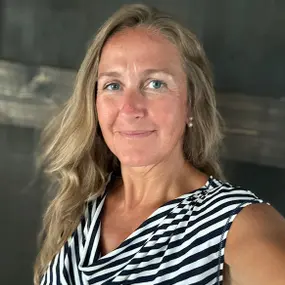
Death Doula
After a career in HR, Nicole felt a deep pull toward work that aligned more closely with her heart. Inspired by witnessing the challenges faced by those she loved at the end of life, and moved by an article on the Death Doula initiative she came across on social media, she knew she had found her calling.
Nicole pursed professional training and launched her own practice just outside of Akron, OH, offering personalized, heart-centered death doula services to clients both locally and virtually. Her mission is simple but profound: to bring comfort, dignity, and peace to life's final chapter.
Driven by her own experiences with end-of-life planning and a natural ability to navigate difficult conversations, Nicole is committed to helping individuals experience a more peaceful and intentional transition. She works closely with the dying and their families to guide them through both the emotional and logistical aspects of end-of-life planning - from educating on advance directives to legacy work - and continues to offer compassionate support after a loved one has passed.